
Everyday Wellness

Drug Abuse: A Silent Crisis Hiding in Plain Sight (2)

Drug abuse is often misunderstood.Many people see it as a personal failure. In reality, it is a growing public health issue affecting individuals, families, and entire communities. It cuts across age, gender, and social class. And its impact goes far beyond the person using the drug. What Drug Abuse Really Means Drug abuse is the harmful or excessive use of substances that affect the mind and body. These substances may include: Abuse begins when use turns into dependence and control is lost. Why People Abuse Drugs Drug abuse rarely starts without a reason. Common triggers include: For many, drugs become an escape before they become a trap. The Effects on the Body and Mind Drug abuse damages more than health. It affects: Over time, it can lead to addiction, chronic illness, and even death. Mental health issues such as depression, anxiety, and psychosis are also common consequences. The Impact on Families and Society Drug abuse does not happen in isolation. Families experience: Communities face: The cost of drug abuse is shared by everyone. Breaking the Cycle Recovery is possible. But it requires support, not judgment. Effective solutions include: Punishment alone does not solve addiction.Compassion and proper care do. Prevention Starts With Awareness Talking openly about drug abuse matters. Education helps people: Silence allows the problem to grow. A Final Thought Drug abuse is not a weakness.It is a warning sign. When society listens, supports, and acts early, lives can be saved. The real question is not who is affected.It’s whether we are willing to respond.

Drug Abuse: A Silent Crisis Hiding in Plain Sight (2) Read More »

Cancer

Why Cancer Survival Rates Are Still Low in Africa—and What Must Change

Cancer is no longer rare in Africa.It’s rising fast. Yet survival rates remain painfully low. This is not because cancer is unbeatable.It’s because the system often fails patients before treatment even begins. Late Diagnosis Is the Biggest Problem Most cancer cases in Africa are discovered too late. Why? By the time patients seek help, the cancer is already advanced. At that stage, treatment becomes harder, more expensive, and less effective. Limited Access to Quality Treatment Cancer care is expensive everywhere.In Africa, it’s often out of reach. Many countries face: Some patients travel hundreds of kilometres for treatment.Others simply give up. Access should not decide who lives. Cost Pushes Patients Away For many families, cancer treatment means financial ruin. Most African countries lack strong health insurance coverage. Patients must pay out of pocket for: Many stop treatment halfway.Not because they want to.But because they can’t afford to continue. Low Awareness and Cultural Barriers Cancer education is still poor. In some communities: This delay costs lives. Awareness saves lives.Silence kills What Must Change Improving cancer survival in Africa is possible. But it requires action. 1. Stronger Early Screening Early detection turns cancer into a treatable disease. 2. Better Healthcare Infrastructure Treatment should not depend on location. 3. Affordable Care No one should choose between life and poverty. 4. Education and Public Awareness Knowledge reduces fear.Fear delays treatment. The Bigger Picture Cancer survival rates are not just a medical issue. They reflect: Countries like Rwanda show that strong systems save lives. Africa doesn’t lack solutions.It lacks urgency. A Question Worth Asking If cancer is rising,and solutions already exist,why are so many still dying? Change starts with asking better questions —and demanding better systems.

Why Cancer Survival Rates Are Still Low in Africa—and What Must Change Read More »

copilot 20260110 055543

😴 Sleep Smarter: Hacks for Better Rest Tonight

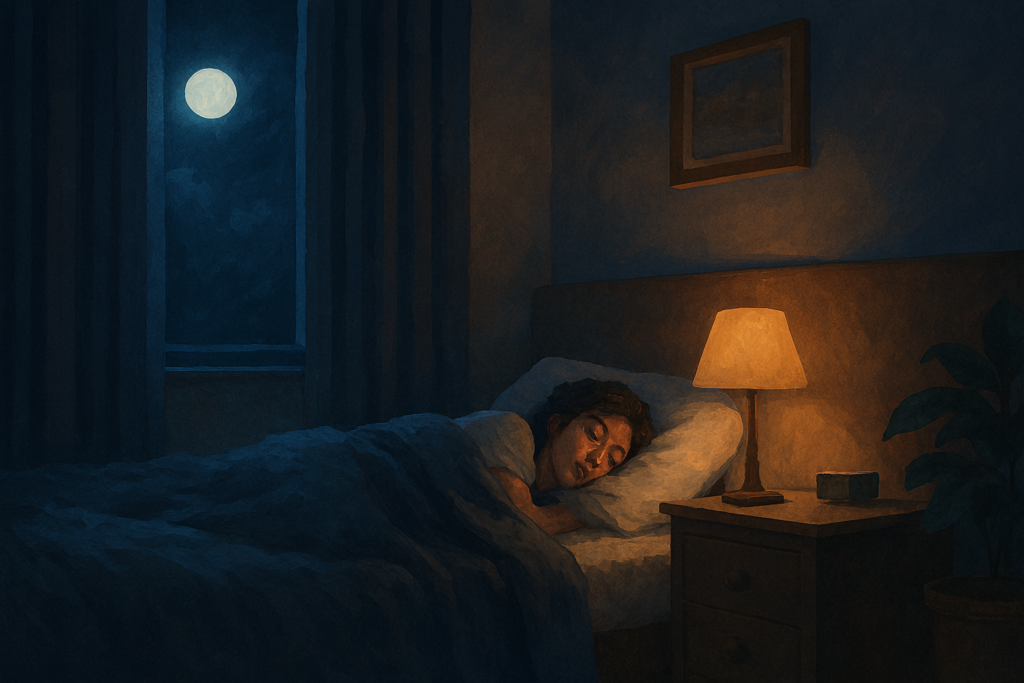
We’ve all had those nights where sleep feels impossible — tossing, turning, staring at the ceiling. The truth is, good sleep isn’t just about luck; it’s about habits. With a few smart tweaks, you can set yourself up for deeper, more restorative rest starting tonight. 🌙 1. Create a Wind-Down Routine Your body loves consistency. Try setting a bedtime ritual — dim the lights, read a book, stretch gently, or sip herbal tea. These cues tell your brain it’s time to slow down. 📵 2. Limit Screen Time Before Bed Phones and laptops emit blue light that tricks your brain into staying alert. Aim to unplug at least an hour before bedtime. Instead, swap scrolling for journaling or listening to calming music. 🛏️ 3. Optimize Your Sleep Environment Think of your bedroom as a sleep sanctuary. Keep it cool, dark, and quiet. Invest in comfortable bedding and consider blackout curtains or a white noise machine if you’re easily disturbed. 🍵 4. Watch What You Eat and Drink Caffeine and heavy meals late in the evening can sabotage sleep. Opt for lighter dinners and calming drinks like chamomile or warm milk. Hydrate earlier in the day so you’re not waking up thirsty at night. ⏰ 5. Stick to a Sleep Schedule Going to bed and waking up at the same time every day helps regulate your body’s internal clock. Even on weekends, try not to drift too far from your usual routine. Conclusion: Better sleep doesn’t require a complete lifestyle overhaul — just smarter choices. Tonight, try one or two of these hacks and notice how your body responds. Over time, these small changes add up to big improvements in your energy, mood, and overall health.

😴 Sleep Smarter: Hacks for Better Rest Tonight Read More »

whatsapp image 2026 01 09 at 19.52.03

10 Wellbeing Principles for Excellent Brain Performance

VitaGuardia Wellbeing – Prevention Through Knowledge1. Restorative Sleep Supports Brain RecoveryAdequate sleep allows the brain to repair cells, regulate emotions, and strengthen memory. Sleep deprivation is a major but preventable risk to mental wellbeing.2. Movement and Oxygen Enhance Cognitive FunctionRegular physical activity improves blood and oxygen flow to the brain, supporting concentration, alertness, and long-term brain health.3. Hydration Is Fundamental to Brain BalanceProper hydration maintains optimal brain chemistry. Even mild dehydration can impair focus, mood, and decision-making.4. Nutrition Is Brain ProtectionA diet rich in omega-3 fatty acids, fruits, vegetables, and whole foods supports neuron health and reduces inflammation linked to cognitive decline.5. Stress Regulation Preserves Mental HealthChronic stress negatively affects memory and emotional regulation. Mindfulness, prayer, breathing exercises, and rest are protective tools.6. Lifelong Learning Builds Cognitive ResilienceContinuous learning and mental stimulation promote neuroplasticity and reduce the risk of age-related cognitive decline.7. Physical Activity Strengthens Brain GrowthExercise stimulates brain-growth chemicals that support memory, learning, and emotional stability.8. Emotional Wellbeing Enhances Brain PerformancePositive emotions such as gratitude and purpose improve mental clarity, creativity, and psychological resilience.9. Social Connection Is Brain MedicineMeaningful relationships reduce loneliness, support emotional health, and protect against cognitive deterioration.10. Digital Balance Protects Attention and FocusManaging screen time and digital overload helps preserve attention span, mental calm, and sleep quality. VitaGuardia Wellbeing Message Excellent brain performance is not accidental—it is the outcome of informed daily choices.At VitaGuardia Wellbeing, we promote preventive health education that empowers individuals and communities to protect their minds, bodies, and future.

10 Wellbeing Principles for Excellent Brain Performance Read More »

whatsapp image 2026 01 09 at 19.51.02

⚠️ The Hidden Danger of Using Cotton Buds to Clean Your Ears👂

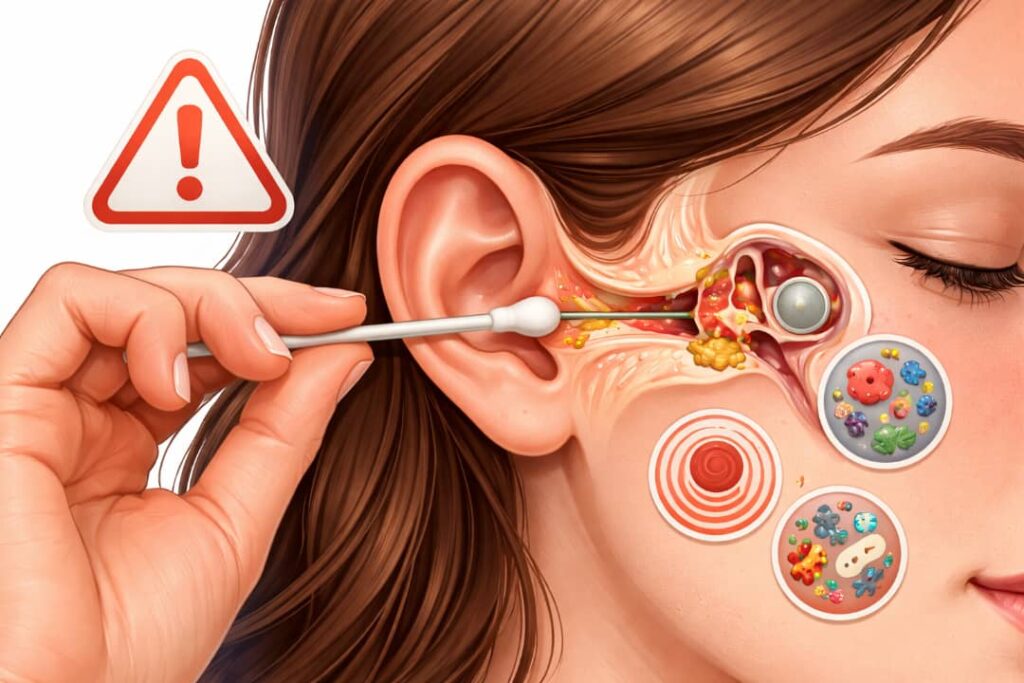
Using cotton buds to clean the Ears 👂is a common habit, but it can be harmful. Although they seem safe, cotton buds can cause more damage than good. 👂🩺 WHY COTTON BUDS ARE DANGEROUS🩸🌡️ 1.Push Earwax DeeperInstead of removing earwax, cotton buds often push it further inside the ear canal. This can lead to earwax blockage, discomfort, and reduced hearing. 2.Risk of 👂Ear InjuryThe ear canal and eardrum are very delicate. Using cotton buds can cause scratches, bleeding, or even perforation of the eardrum, which may result in pain and hearing loss. 3.Increased Risk of InfectionSmall injuries caused by cotton buds allow bacteria or fungi to enter the ear, increasing the risk of ear infections. 4.Hearing ProblemsImpacted earwax and ear injuries can lead to temporary or permanent hearing loss, ringing in the ears (tinnitus), or a feeling of fullness in the ear. 5.Disrupts Natural Ear ProtectionEarwax plays an important role in protecting the ear by trapping dust and germs. Removing it too often dries the ear canal and causes irritation or itching. 👂🩺 SAFER EAR CARE TIPS👂 Clean only the outer part of the ear with a clean, damp cloth👂 Let earwax come out naturally👂 Avoid inserting objects into the ear canal🩺See a healthcare professional if your ears feel blocked or painful 👂 CONCLUSIONCotton buds should not be used to clean inside the ears. The ear is self-cleaning, and inserting objects into it can cause serious damage. 👂🩺 Remember: Never put anything smaller than your elbow into your ear. VITAGUARDIAWELLBEING🧠🩺

⚠️ The Hidden Danger of Using Cotton Buds to Clean Your Ears👂 Read More »

whatsapp image 2026 01 09 at 19.50.43

HOW TO EXERCISE YOUR BRIAN

Exercising your brain means keeping it active, challenged, and well-cared for, just like your body. Here are simple, effective ways to do it daily: 🧠 1. Learn Something New• Learn a new language, skill, or musical instrument• Take short online courses or watch educational videos• Read books outside your usual interest 👉 New learning creates new neural connections. 🧩 2. Challenge Your Mind• Solve puzzles: crosswords, Sudoku, chess• Play strategy or memory games• Do mental maths instead of using a calculator ✍️ 3. Write & Reflect• Keep a journal• Write short stories, poems, or opinion pieces• Summarise what you read in your own words 🗣️ 4. Engage in Meaningful Conversations• Discuss ideas, not just daily routines• Debate respectfully• Teach someone what you know (teaching strengthens memory) 🚶‍♂️ 5. Move Your Body• Walking, dancing, or light exercise improves blood flow to the brain• Try coordination exercises (yoga, tai chi) 👉 A healthy body supports a healthy brain

HOW TO EXERCISE YOUR BRIAN Read More »

whatsapp image 2026 01 09 at 19.50.20

Brain Exercise for Health Recovery

Here is a gentle, practical brain-exercise guide specifically for health recovery—designed to rebuild strength without over-stressing the body or mind 🌱 When recovering from illness, stress, or emotional trauma, the goal is healing first, performance later. 🌤️ 1. Start Slow & Be Kind to Your Mind• Avoid multitasking• Do one mental activity at a time• Short sessions (5–15 minutes) are enough 👉 Healing brains respond best to patience. 📖 2. Light Cognitive Stimulation• Read short articles, devotionals, or poems• Listen to audiobooks or podcasts (less tiring than reading)• Watch calm, educational videos ✍️ 3. Memory & Awareness Exercises• Recall 3 things you did yesterday• List 5 things you are grateful for• Practice name or face recall gently 🧘‍♀️ 4. Breathing & Mindfulness (Very Important)• Deep breathing: inhale 4 sec, exhale 6 sec• Guided meditation, prayer, or quiet reflection• Body-scan relaxation (notice tension, release it) 👉 This calms the nervous system and improves brain healing. 🚶‍♂️ 5. Gentle Physical Movement• Slow walks in nature• Stretching or chair exercises• Light yoga or tai chi (if approved by your doctor) 👉 Movement improves brain oxygen and mood. 🗣️ 6. Safe Social Interaction• Short, positive conversations• Avoid emotionally draining discussions• Share how you feel with trusted people 😴 7. Protect Your Sleep• Keep a regular sleep routine• Nap when needed (but not too long)• Reduce screen time before bed 👉 Sleep is when the brain repairs itself. 🥗 8. Support the Brain with Nutrition• Omega-3 rich foods (fish, flaxseed, walnuts)• Fruits and vegetables (especially berries, leafy greens)• Adequate hydration (Always follow medical advice if on treatment) 🧠 9. Gentle Mental Exercises• Simple puzzles (not timed)• Listening to music and recalling lyrics• Drawing, colouring, or knitting ❤️ Key Recovery Reminder Progress is not linear.Some days will feel better than others—this is normal. Your brain heals through:• Rest• Gentle stimulation• Emotional safety• Consistency

Brain Exercise for Health Recovery Read More »