Health Talk

Taking Medicines Safely: 5 Things You Shouldn’t Assume

Medicines are an important part of healthcare, but using them safely requires more than simply taking a tablet when you feel unwell. Medication-related harm can occur when medicines are used incorrectly, when information is misunderstood, or when different medicines and health products interact. Knowing what to check and when to ask for professional advice can help reduce avoidable risks. Common assumptions worth reconsidering. 1. “I’ve used this medicine before, so I know the dose.” Not necessarily. The appropriate dose can depend on the particular medicine, the condition being treated, the person’s age and other medicines or health factors. A medicine that was appropriate for you previously may not be appropriate in the same way now. Check the label or instructions each time, and ask a pharmacist or other qualified health professional if you are unsure. 2. “Taking more will make it work faster.” More medicine does not automatically mean faster recovery. Taking more than the recommended amount can increase the risk of harmful effects. This applies to prescription medicines as well as many medicines available without a prescription. Follow the recommended dose. Never increase it simply because you want faster relief. 3. “Natural means completely safe.” Natural products can still have effects on the body and can interact with medicines. Herbal medicines and other supplements may interact with conventional medicines, which is why it is important to tell your doctor or pharmacist about everything you are taking including herbal products and supplements. Natural does not automatically mean risk-free. 4. “If I feel better, I can just stop taking it.” This depends on the medicine. Some medicines should not be stopped suddenly, while others may be taken for a specific prescribed duration. Stopping, changing or reducing a medicine without appropriate advice can sometimes cause problems. If you want to stop or change a medicine, check with the healthcare professional who prescribed or recommended it. For antibiotics, use them exactly as prescribed and do not save leftover antibiotics for another illness or give them to someone else. 5. “It worked for someone else, so it will work for me.” Medicines are not one-size-fits-all. A medicine prescribed or recommended for another person may not be appropriate for you, even if your symptoms appear similar. Different conditions, allergies, other medicines and individual health factors can affect what is safe and appropriate. Do not share prescription medicines. Get advice about what is appropriate for you. A simple medication-safety checklist Before taking a medicine, make sure you know: If you are unsure about any of these, speak with a doctor, pharmacist or other qualified healthcare professional. Remember Know. Check. Ask. Taking medicines safely is part of taking care of your health. Don’t rely on assumptions when a simple question could help you use a medicine more safely. VitaGuardia Wellbeing FoundationPromoting Sustainable Health and Wellbeing Health information provided for educational purposes only. It is not a substitute for individual medical advice, diagnosis or treatment Sources:World Health Organization (WHO) – Medication Without Harmhttps://www.who.int/initiatives/medication-without-harm World Health Organization (WHO) – 5 Moments for Medication Safetyhttps://www.who.int/publications/i/item/WHO-HIS-SDS-2019.4 World Health Organization (WHO) – Key Technical Issues of Herbal Medicines with Reference to Interaction with Other Medicineshttps://www.who.int/publications/i/item/9789240019140

Taking Medicines Safely: 5 Things You Shouldn’t Assume Read More »

Rabies: What to Do After a Dog Bite or Scratch

A dog bite or scratch can happen quickly, but what you do afterwards matters. Rabies is a serious viral disease that can affect the nervous system. Once clinical symptoms appear, rabies is almost always fatal. However, rabies deaths are preventable when appropriate post-exposure care is given promptly. What should you do immediately? 1. Wash the wound thoroughly Immediately wash and flush the wound with plenty of running water and soap for at least 15 minutes. This is an important first-aid step because thorough wound washing helps remove the virus from the site of exposure. If soap is unavailable, flush the wound extensively with water. Do not apply substances such as pepper, plant juices, acids or other irritants to the wound. 2. Seek medical care promptly Do not wait to see whether symptoms develop. If you have been bitten or scratched by an animal that could have rabies, go to a health facility for assessment as soon as possible. A healthcare professional will assess the type of exposure and determine whether you need post-exposure prophylaxis (PEP). PEP may include: The treatment needed depends on the type and severity of the exposure. What if the wound looks small? A small wound does not automatically mean there is no risk. Rabies exposure can occur through bites, scratches or saliva contacting broken skin or mucous membranes. Some exposures that do not involve a large or bleeding wound can still require vaccination. This is why it is important to have the exposure properly assessed rather than deciding for yourself that the wound is harmless. What about the dog? If it can be done safely, information about the animal can help healthcare and public-health professionals assess the exposure. Do not put yourself at further risk by trying to catch or handle an unfamiliar or potentially aggressive animal. Where appropriate, public-health or veterinary professionals may arrange for the animal to be observed or assessed. Don’t rely on home remedies After an animal bite, avoid treating the wound with substances that can irritate or contaminate it. Instead: Wash. Seek care. Follow professional advice. Home remedies cannot replace rabies post-exposure care when it is indicated. Can rabies be prevented? Yes. Vaccinating dogs is a major part of preventing dog-mediated rabies, while prompt access to appropriate post-exposure care helps prevent rabies after an exposure. Rabies prevention therefore involves more than what happens after a bite. Responsible pet ownership, dog vaccination, bite-prevention education and access to appropriate healthcare all contribute to prevention. A simple reminder If you or someone around you is bitten or scratched by a potentially rabid animal: Don’t panic. Don’t ignore it. Early action matters. VitaGuardia Wellbeing FoundationPromoting Sustainable Health and Wellbeing Health information provided for educational purposes only. It is not a substitute for individual medical advice, diagnosis or treatment. Sources World Health Organization – Rabieshttps://www.who.int/health-topics/rabies World Health Organization – Rabies vaccinations and immunizationhttps://www.who.int/teams/control-of-neglected-tropical-diseases/rabies/vaccinations-and-immunization World Health Organization – Protocol for a well-performed rabies post-exposure prophylaxis deliveryhttps://www.who.int/publications/i/item/B09018

Rabies: What to Do After a Dog Bite or Scratch Read More »

5 Health Numbers Adults Should Know-And Why They Matter.

Knowing a few basic health measurements can give you useful information about your health even when you feel perfectly well. A number on its own does not tell the whole story, and it should not be used to diagnose a condition without appropriate medical assessment. But tracking certain health measurements can help identify potential risks early and give you useful information to discuss with a healthcare professional. Here are five numbers worth knowing. 1. Blood Pressure Blood pressure measures the force of blood pushing against the walls of your arteries as your heart pumps. It is recorded using two numbers: For example, a reading of 120/80 mmHg has a systolic value of 120 and a diastolic value of 80. High blood pressure, or hypertension, often causes no obvious symptoms. Over time, uncontrolled high blood pressure can increase the risk of serious conditions including heart disease, stroke and kidney disease. That is why checking your blood pressure periodically can be important, even when you feel well. One reading also does not necessarily tell the full story. Blood pressure can vary depending on factors such as activity, stress, caffeine and the circumstances in which it is measured. 2. Blood Glucose Blood glucose, or blood sugar, is the amount of glucose in your blood. Your body needs glucose for energy, but blood glucose that remains too high can damage the body over time. Two commonly used tests include: Changes in blood glucose can develop without obvious symptoms, particularly in prediabetes and type 2 diabetes. Knowing your risk and discussing appropriate testing with a healthcare professional can help identify changes earlier. 3. Cholesterol Cholesterol is a waxy substance that your body needs to function. It helps with important processes including making hormones and building cells. But having too much of certain types of cholesterol in the blood can contribute to the buildup of plaque in arteries. A cholesterol test, often called a lipid panel, can provide information about different types of cholesterol and other blood fats, including: Your healthcare professional can interpret these results alongside other factors such as your age, blood pressure, medical history and overall cardiovascular risk. 4. Body Mass Index (BMI) BMI is a measurement calculated using a person’s weight and height. It is commonly used as a screening tool to place adults into weight categories. However, BMI is not a complete measure of health. It does not directly measure body fat and cannot distinguish between muscle and fat. It also does not tell you where body fat is distributed. So while BMI can provide useful information, it is best considered alongside other factors rather than treated as a diagnosis or a complete picture of your health. 5. Waist Circumference Where body fat is stored can matter as well as how much body fat a person has. Fat stored around the abdomen is associated with an increased risk of several health conditions, including type 2 diabetes and cardiovascular disease. Waist circumference is therefore another measurement that can provide useful information about health risk. As with BMI, it should not be interpreted in isolation. Health professionals may consider waist circumference together with other measurements and individual risk factors. Why These Numbers Matter The purpose of knowing your health numbers isn’t to become obsessed with measurements. It is about awareness. Some health conditions can develop gradually without causing noticeable symptoms. Regularly checking appropriate health measurements can help identify changes and provide an opportunity to take action. For example, knowing your blood pressure can help identify hypertension. Understanding your blood glucose can help identify possible problems with blood sugar regulation. Cholesterol measurements can contribute to an assessment of cardiovascular risk. The important thing is not simply knowing a number, it is understanding what the number means for you. Numbers Are Not Diagnoses It is easy to see a result online and immediately wonder whether it means something is wrong. But health measurements need context. Results can be affected by factors such as age, medications, pregnancy, existing health conditions, recent activity and how or when the measurement was taken. A single unusual reading does not necessarily mean that you have a disease, just as one normal reading does not guarantee that everything is fine. If you receive a result that concerns you, discuss it with an appropriately qualified healthcare professional rather than relying on self-diagnosis. What Should You Do With Your Numbers? You don’t need to measure everything every day, instead: Your age, family history, lifestyle and existing health conditions can all influence which measurements you need and how often you should have them checked. Takeaway Your health is more than a collection of numbers. But numbers can provide valuable information that you cannot always get from how you feel. Blood pressure. Blood glucose. Cholesterol. BMI. Waist circumference. Knowing these measurements and understanding their limitations can help you become more informed about your health and have better conversations with healthcare professionals. Know your numbers. Understand what they mean. Take action when it matters. VitaGuardia Wellbeing Promoting Sustainable Health and Wellbeing This Resource is for general health education and does not replace professional medical advice, diagnosis or treatment.

5 Health Numbers Adults Should Know-And Why They Matter. Read More »

Diabetes Is More Than Just Sugar: Understanding Your Risk

“If you don’t eat much sugar, you can’t develop diabetes.” It sounds logical, but it is not that simple. Diabetes is often reduced to one idea: eating too much sugar. While diet can influence blood glucose and the risk of developing type 2 diabetes, diabetes is a complex condition influenced by several factors. Understanding those factors can help us move away from myths, blame and oversimplification and towards better prevention. First, what is diabetes? Diabetes is a chronic condition in which blood glucose, or blood sugar, becomes too high. Glucose is an important source of energy for the body. Insulin, a hormone produced by the pancreas, helps glucose move from the bloodstream into cells so it can be used for energy. In type 2 diabetes, the body does not use insulin effectively and, over time, may not produce enough insulin to maintain healthy blood glucose levels. This can cause blood glucose to remain elevated. So, does eating sugar cause diabetes? Not by itself. Eating foods or drinks high in added sugars can contribute to an unhealthy diet and may make it easier to consume excess calories. Over time, this can contribute to weight gain and increase the risk of type 2 diabetes. But it is important to note that type 2 diabetes is not caused by sugar alone. A person’s risk is influenced by a combination of genetic, biological, lifestyle and environmental factors. Blaming diabetes on one food or one habit can make the condition seem much simpler than it really is. What can increase the risk of type 2 diabetes? Family history Having a parent, brother or sister with type 2 diabetes can increase your risk. Genetics can influence how the body regulates blood glucose, although having a family history does not mean that you will definitely develop diabetes. Physical inactivity Regular physical activity helps the body use glucose more effectively. Being physically inactive is associated with a higher risk of developing type 2 diabetes. Overweight or obesity Having overweight or obesity can increase the risk of type 2 diabetes, particularly when excess body fat affects how the body responds to insulin. However, diabetes can also occur in people who are not overweight. Body size alone does not determine whether someone will develop diabetes. Age The risk of type 2 diabetes generally increases with age. However, type 2 diabetes can also occur in younger adults and, increasingly, in children and adolescents. Previous gestational diabetes Women who have had gestational diabetes during pregnancy have a higher risk of developing type 2 diabetes later in life. Other health factors Certain health conditions and metabolic factors can also increase risk. This is why understanding your individual risk is more useful than judging your risk based on one habit or one characteristic. What about the food we eat? Food still matters. A healthy eating pattern can support healthy blood glucose levels and help reduce the risk of type 2 diabetes. Rather than focusing only on whether a food contains sugar, it is useful to consider the overall quality of your diet. A balanced eating pattern can include: It is also helpful to limit excessive intake of foods and drinks high in added sugars, unhealthy fats and excess calories. The goal is not to fear sugar or completely eliminate every food that contains it. The goal is to build eating habits that support your overall health. What can you do to reduce your risk? You cannot change every risk factor. You cannot change your age or family history, for example. But there are steps that can support better health and may reduce the risk of type 2 diabetes. You cannot always tell what is happening with your blood glucose simply by how you feel. Prediabetes and type 2 diabetes can develop with few or no obvious symptoms. If you have risk factors or have been advised to have your blood glucose checked, speak with a qualified healthcare professional about appropriate testing. Don’t turn diabetes into a blame game Someone developing diabetes does not mean they simply “ate too much sugar” or “didn’t take care of themselves.” Health is influenced by many factors, including genetics, environment, access to healthy food and opportunities for physical activity. Understanding this does not remove personal responsibility. It simply gives us a more accurate and compassionate understanding of health. Take Home Instead of asking: “How much sugar do I eat?” ask: “What is my overall health pattern, and do I know my risk?” Prevention begins with understanding. Know your risk. Make informed choices. Get appropriate health checks. VitaGuardia Wellbeing Foundation Promoting Sustainable Health and Wellbeing This article is intended for general health education and does not replace individual medical advice, diagnosis or treatment. Sources

Diabetes Is More Than Just Sugar: Understanding Your Risk Read More »

Why Your Blood Sugar Matters—Even If You Feel Fine.

When was the last time you checked your blood sugar? If you feel healthy, you may not think there is any reason to. But some changes in blood sugar can develop gradually, and people with prediabetes or type 2 diabetes may have few or no noticeable symptoms at first. That is one reason paying attention to blood sugar is an important part of preventive health (CDC). What is blood sugar? Blood sugar, or blood glucose, is the main type of sugar found in your blood. Your body uses glucose as an important source of energy. Insulin is a hormone that helps move glucose from the bloodstream into your cells, where it can be used for energy. When the body does not produce enough insulin or cannot use it effectively, blood glucose can become too high. (World Health Organization) Why does high blood sugar matter? Persistently high blood glucose can damage blood vessels and affect different parts of the body over time. Diabetes is associated with serious complications involving the heart, kidneys, eyes, nerves and blood vessels. It can increase the risk of conditions such as heart attack, stroke, kidney failure and vision loss (World Health Organization). The important point is that these problems do not necessarily begin with a dramatic warning sign. In particular, symptoms of type 2 diabetes can be mild or absent and may take years to become noticeable (World Health Organization). What Signs Should You Pay Attention To? These symptoms can have many possible causes and do not automatically mean that someone has diabetes. However, persistent or unusual changes are worth discussing with a qualified healthcare professional. (World Health Organization) Who May Have a Higher Risk? The risk of developing type 2 diabetes is influenced by several factors which can include: Some risk factors, such as age and family history cannot be changed. Others can be influenced through lifestyle and health-supporting choices (CDC). Having a risk factor does not mean that you will develop diabetes. It simply means that understanding your risk and discussing appropriate screening with a healthcare professional may be worthwhile. Why testing matters You cannot reliably know your blood sugar level simply by how you feel. Prediabetes and type 2 diabetes can occur without obvious symptoms, which is why blood-glucose testing can be important, particularly for people with relevant risk factors (CDC). Common tests include the A1C test, which gives an indication of average blood glucose over approximately the previous two to three months, and other blood-glucose tests such as fasting blood glucose (CDC). The appropriate test and testing schedule depend on your individual circumstances. A qualified healthcare professional can advise you on what is appropriate and help interpret your results. What Can You Do To Support Healthy Blood Sugar? There is no single habit that guarantees healthy blood sugar. However, several lifestyle choices can help reduce the risk of type 2 diabetes and support overall health. Eat a balanced diet Aim for a varied diet that includes nutritious foods such as vegetables, fruits, whole grains and legumes, while limiting excessive amounts of added sugars and unhealthy fats (World Health Organization). Stay physically active Regular physical activity can help support healthy blood glucose levels and reduce the risk of type 2 diabetes. WHO recommends regular physical activity as part of type 2 diabetes prevention (World Health Organization). Maintain a healthy weight For people who have overweight or obesity, achieving and maintaining a healthier weight can help reduce the risk of developing type 2 diabetes (World Health Organization). Avoid tobacco Not using tobacco is another important step in protecting your overall health and reducing the risk of diabetes-related complications (World Health Organization). Keep up with appropriate health checks If you have risk factors for prediabetes or type 2 diabetes, speak with a healthcare professional about whether you should be tested and how often testing may be appropriate (CDC). Feeling fine is not the same as knowing your numbers It is easy to assume that if nothing hurts and you feel energetic, everything must be okay. But preventive health works differently. Some health conditions can develop quietly. In the case of prediabetes and type 2 diabetes, symptoms may be mild or absent, which means testing can identify changes that you might not notice yourself. (CDC) You do not need to wait until you feel unwell before taking your health seriously. Your health deserves attention before a problem becomes an emergency. For more practical health information and resources, visit vitaguardiaonwellbeing.com. VitaGuardia Wellbeing Foundation Promoting Sustainable Health and Wellbeing This article is intended for general health education and does not replace individual medical advice, diagnosis or treatment. Sources

Why Your Blood Sugar Matters—Even If You Feel Fine. Read More »

unusual Natural Health Combinations That Actually Work

Nature provides many powerful foods that support the body’s natural healing systems. While individual foods already contain beneficial nutrients, some combinations enhance each other’s effectiveness, allowing the body to absorb and use these nutrients more efficiently. Incorporating these simple pairings into daily meals can support digestion, immunity, hydration, and overall wellness. Below are several natural food combinations that are widely recognized for their complementary health benefits. 1. Cloves and Garlic: A Natural Antimicrobial Pair Garlic and cloves are both well known for their strong antimicrobial and antioxidant properties. When combined, they form a powerful natural defense against harmful microorganisms. Garlic contains compounds such as allicin, which supports immune function, while cloves contain eugenol, a compound with antibacterial and anti-inflammatory effects. Together, these ingredients may help support gut health by discouraging the growth of unwanted organisms and strengthening the body’s natural defense mechanisms. 2. Turmeric and Black Pepper: Enhanced Anti-Inflammatory Power Turmeric contains curcumin, a compound known for its anti-inflammatory and antioxidant properties. However, curcumin on its own is not easily absorbed by the body. Black pepper contains piperine, which significantly improves the absorption of curcumin. When these two spices are used together, turmeric becomes much more effective in helping reduce inflammation and supporting joint health. This combination is commonly used in traditional diets and herbal preparations to promote overall wellness. 3. Beetroot and Ginger: Supporting Circulation and Detoxification Beetroot is rich in antioxidants and nutrients that support the body’s natural detoxification pathways, particularly those associated with liver function. Ginger, on the other hand, improves digestion and circulation. When combined, beetroot and ginger can support healthy blood flow while also helping the body eliminate metabolic waste more efficiently. This pairing is often used in natural juices and smoothies for energy and digestive support. 4. Chia Seeds and Coconut Water: Hydration and Gut Support Proper hydration is essential for maintaining healthy body functions. Coconut water is naturally rich in electrolytes, which help maintain fluid balance in the body. Chia seeds absorb water and form a gel-like texture that supports digestion and helps soothe the lining of the digestive tract. Together, chia seeds and coconut water can improve hydration at the cellular level and may help reduce bloating associated with slow digestion. 5. Ground Flaxseeds and Yogurt: A Gut-Friendly Combination Digestive health plays a crucial role in overall wellbeing. Flaxseeds provide dietary fiber and plant compounds known as lignans, which support digestion and hormonal balance. Yogurt contains beneficial probiotics that help maintain a healthy balance of gut bacteria. When flaxseeds are combined with yogurt, they create a powerful pairing that supports digestion, improves gut health, and may contribute to better metabolic balance. 6. Papaya and Lime Juice: Natural Digestive Support Papaya contains digestive enzymes, particularly papain, which helps break down proteins and improves digestion. Lime juice supports bile production and provides vitamin C, an important antioxidant. When eaten together, papaya and lime juice may help digestion feel lighter and more efficient, while also supporting healthy skin through improved nutrient absorption. 7. Apple Cider Vinegar and Raw Honey: Balancing Digestion Apple cider vinegar is often used to support stomach acidity and digestion. It may help the body break down food more effectively. Raw honey contains natural enzymes and soothing compounds that support gut health. When mixed together, honey helps balance the strong acidity of apple cider vinegar, creating a gentler mixture that can support digestive comfort. 8. Garlic and Lemon Juice: Supporting Immunity and Detox Pathways Garlic is known for supporting immune function and promoting natural detoxification processes in the body. Lemon juice complements this by stimulating bile flow and improving mineral absorption. This combination is commonly used in traditional health practices to support digestion, immune strength, and overall metabolic health. Conclusion Simple dietary choices can have a significant impact on long-term health. Combining certain natural foods allows their nutrients to work synergistically, enhancing their overall effectiveness. These natural pairings support important body systems such as digestion, circulation, immunity, and hydration.

unusual Natural Health Combinations That Actually Work Read More »

Health tips

hese color changes could save your life. 🟡 Jaundice (Yellowing): 🔵 Cyanosis (Bluish Color): ⚪ Pallor (Paleness): 🔴 Erythema (Redness): 🟤 Ecchymosis (Bruising):

Health tips Read More »

image fx

Drug Abuse: A Silent Crisis Hiding in Plain Sight

Drug abuse is often misunderstood.Many people see it as a personal failure. In reality, it is a growing public health issue affecting individuals, families, and entire communities. It cuts across age, gender, and social class. And its impact goes far beyond the person using the drug. What Drug Abuse Really Means Drug abuse is the harmful or excessive use of substances that affect the mind and body. These substances may include: Abuse begins when use turns into dependence and control is lost. Why People Abuse Drugs Drug abuse rarely starts without a reason. Common triggers include: For many, drugs become an escape before they become a trap. The Effects on the Body and Mind Drug abuse damages more than health. It affects: Over time, it can lead to addiction, chronic illness, and even death. Mental health issues such as depression, anxiety, and psychosis are also common consequences. The Impact on Families and Society Drug abuse does not happen in isolation. Families experience: Communities face: The cost of drug abuse is shared by everyone. Breaking the Cycle Recovery is possible. But it requires support, not judgment. Effective solutions include: Punishment alone does not solve addiction.Compassion and proper care do. Prevention Starts With Awareness Talking openly about drug abuse matters. Education helps people: Silence allows the problem to grow. A Final Thought Drug abuse is not a weakness.It is a warning sign. When society listens, supports, and acts early, lives can be saved. The real question is not who is affected.It’s whether we are willing to respond.

Drug Abuse: A Silent Crisis Hiding in Plain Sight Read More »

vita

Female Sexual and Reproductive Health: Why It Matters More Than We Admit

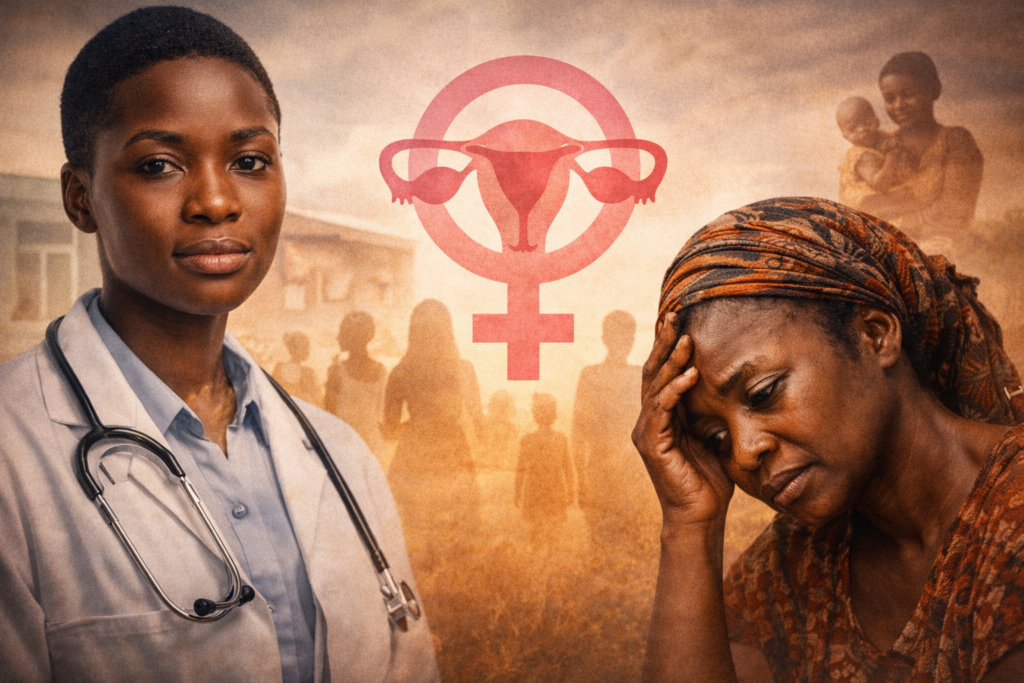
Female sexual and reproductive health is often discussed in whispers.Sometimes not discussed at all. Yet it affects every stage of a woman’s life. From adolescence to motherhood.From career years to later adulthood. Ignoring it doesn’t make it disappear.It only makes the consequences worse. What Female Sexual and Reproductive Health Really Means It’s more than pregnancy. It includes: At its core, it’s about choice, dignity, and access to care. The Reality Many Women Face For millions of women, especially in low-resource settings, access is limited. Common challenges include: These gaps don’t just affect women.They affect families and entire communities. Menstrual Health Is a Health Issue Periods are natural.But many girls grow up feeling ashamed of them. Some miss school every month.Others use unsafe materials. Good menstrual health means: When girls manage their periods safely, they stay confident and productive. Sexual Health and Safety Sexual health is about protection and consent. Women need: Silence puts women at risk.Education saves lives. Family Planning and Choice Family planning is not about control.It’s about choice. When women can plan pregnancies: Access to contraception empowers women to decide when and if they want children. Maternal Health Still Needs Attention Pregnancy should not be life-threatening. Yet many women die from preventable causes during childbirth. Improving maternal health requires: A healthy mother means a healthier future. What Needs to Change Real progress requires action. Women’s health should not be controversial.It should be a priority. A Final Thought When women are healthy, societies thrive. Female sexual and reproductive health is not a women’s issue alone.It’s a human issue. The question is simple: Are we doing enough to protect it?

Female Sexual and Reproductive Health: Why It Matters More Than We Admit Read More »

Cancer

Why Cancer Survival Rates Are Still Low in Africa—and What Must Change

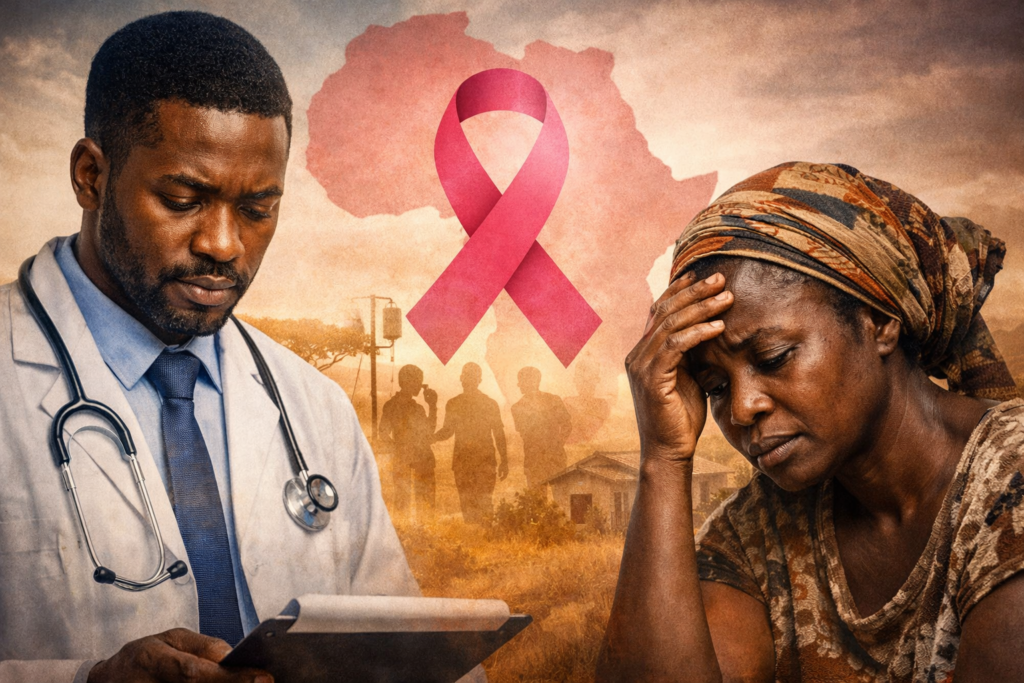
Cancer is no longer rare in Africa.It’s rising fast. Yet survival rates remain painfully low. This is not because cancer is unbeatable.It’s because the system often fails patients before treatment even begins. Late Diagnosis Is the Biggest Problem Most cancer cases in Africa are discovered too late. Why? By the time patients seek help, the cancer is already advanced. At that stage, treatment becomes harder, more expensive, and less effective. Limited Access to Quality Treatment Cancer care is expensive everywhere.In Africa, it’s often out of reach. Many countries face: Some patients travel hundreds of kilometres for treatment.Others simply give up. Access should not decide who lives. Cost Pushes Patients Away For many families, cancer treatment means financial ruin. Most African countries lack strong health insurance coverage. Patients must pay out of pocket for: Many stop treatment halfway.Not because they want to.But because they can’t afford to continue. Low Awareness and Cultural Barriers Cancer education is still poor. In some communities: This delay costs lives. Awareness saves lives.Silence kills What Must Change Improving cancer survival in Africa is possible. But it requires action. 1. Stronger Early Screening Early detection turns cancer into a treatable disease. 2. Better Healthcare Infrastructure Treatment should not depend on location. 3. Affordable Care No one should choose between life and poverty. 4. Education and Public Awareness Knowledge reduces fear.Fear delays treatment. The Bigger Picture Cancer survival rates are not just a medical issue. They reflect: Countries like Rwanda show that strong systems save lives. Africa doesn’t lack solutions.It lacks urgency. A Question Worth Asking If cancer is rising,and solutions already exist,why are so many still dying? Change starts with asking better questions —and demanding better systems.

Why Cancer Survival Rates Are Still Low in Africa—and What Must Change Read More »