Health Talk

image fx

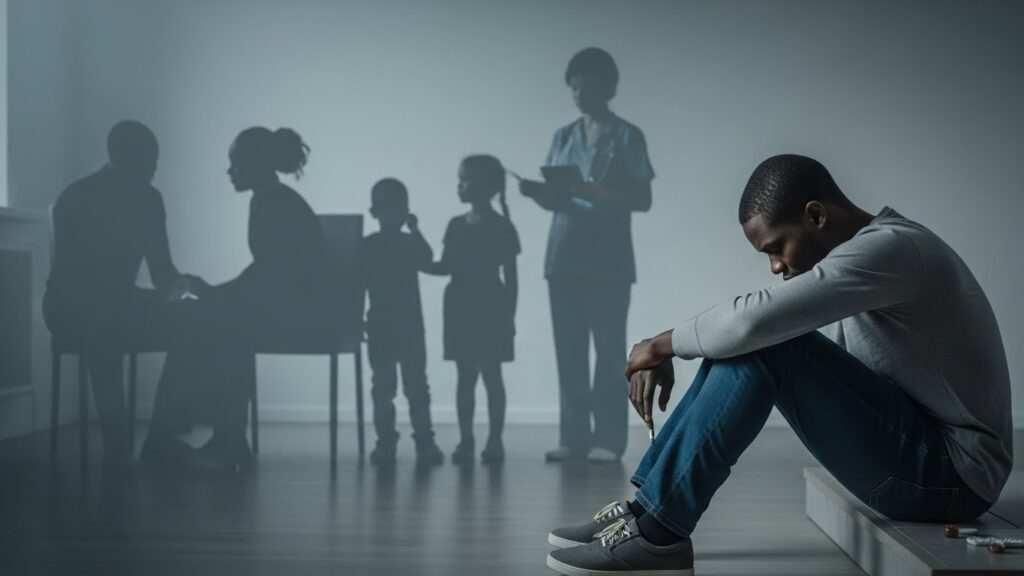
Drug Abuse: A Silent Crisis Hiding in Plain Sight

Drug abuse is often misunderstood.Many people see it as a personal failure. In reality, it is a growing public health issue affecting individuals, families, and entire communities. It cuts across age, gender, and social class. And its impact goes far beyond the person using the drug. What Drug Abuse Really Means Drug abuse is the harmful or excessive use of substances that affect the mind and body. These substances may include: Abuse begins when use turns into dependence and control is lost. Why People Abuse Drugs Drug abuse rarely starts without a reason. Common triggers include: For many, drugs become an escape before they become a trap. The Effects on the Body and Mind Drug abuse damages more than health. It affects: Over time, it can lead to addiction, chronic illness, and even death. Mental health issues such as depression, anxiety, and psychosis are also common consequences. The Impact on Families and Society Drug abuse does not happen in isolation. Families experience: Communities face: The cost of drug abuse is shared by everyone. Breaking the Cycle Recovery is possible. But it requires support, not judgment. Effective solutions include: Punishment alone does not solve addiction.Compassion and proper care do. Prevention Starts With Awareness Talking openly about drug abuse matters. Education helps people: Silence allows the problem to grow. A Final Thought Drug abuse is not a weakness.It is a warning sign. When society listens, supports, and acts early, lives can be saved. The real question is not who is affected.It’s whether we are willing to respond.

Drug Abuse: A Silent Crisis Hiding in Plain Sight Read More »
vita

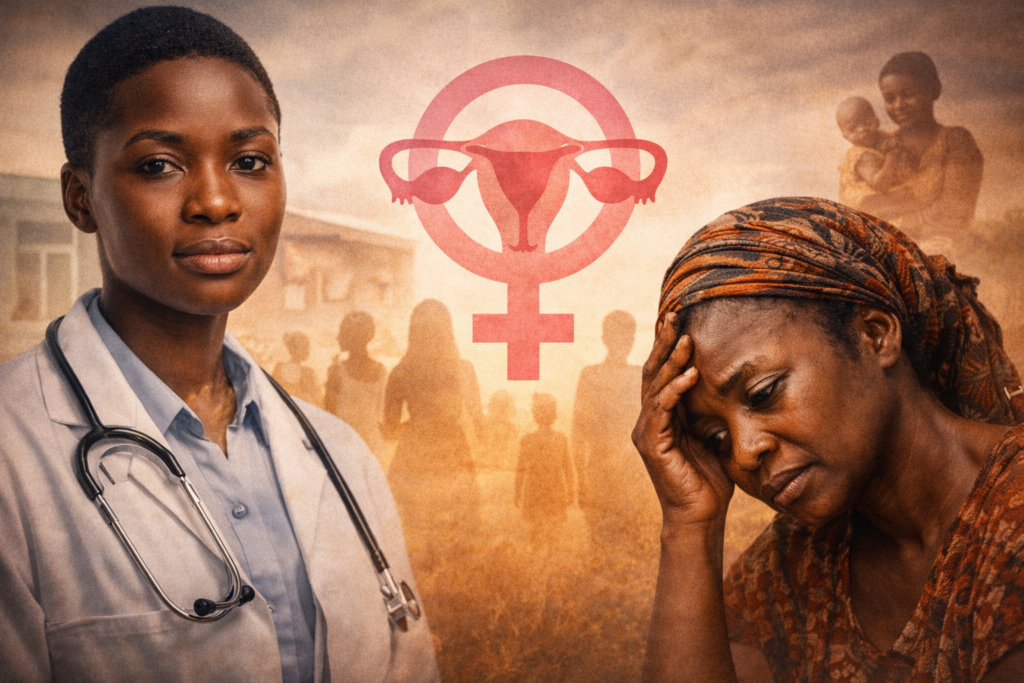
Female Sexual and Reproductive Health: Why It Matters More Than We Admit

Female sexual and reproductive health is often discussed in whispers.Sometimes not discussed at all. Yet it affects every stage of a woman’s life. From adolescence to motherhood.From career years to later adulthood. Ignoring it doesn’t make it disappear.It only makes the consequences worse. What Female Sexual and Reproductive Health Really Means It’s more than pregnancy. It includes: At its core, it’s about choice, dignity, and access to care. The Reality Many Women Face For millions of women, especially in low-resource settings, access is limited. Common challenges include: These gaps don’t just affect women.They affect families and entire communities. Menstrual Health Is a Health Issue Periods are natural.But many girls grow up feeling ashamed of them. Some miss school every month.Others use unsafe materials. Good menstrual health means: When girls manage their periods safely, they stay confident and productive. Sexual Health and Safety Sexual health is about protection and consent. Women need: Silence puts women at risk.Education saves lives. Family Planning and Choice Family planning is not about control.It’s about choice. When women can plan pregnancies: Access to contraception empowers women to decide when and if they want children. Maternal Health Still Needs Attention Pregnancy should not be life-threatening. Yet many women die from preventable causes during childbirth. Improving maternal health requires: A healthy mother means a healthier future. What Needs to Change Real progress requires action. Women’s health should not be controversial.It should be a priority. A Final Thought When women are healthy, societies thrive. Female sexual and reproductive health is not a women’s issue alone.It’s a human issue. The question is simple: Are we doing enough to protect it?

Female Sexual and Reproductive Health: Why It Matters More Than We Admit Read More »

Cancer

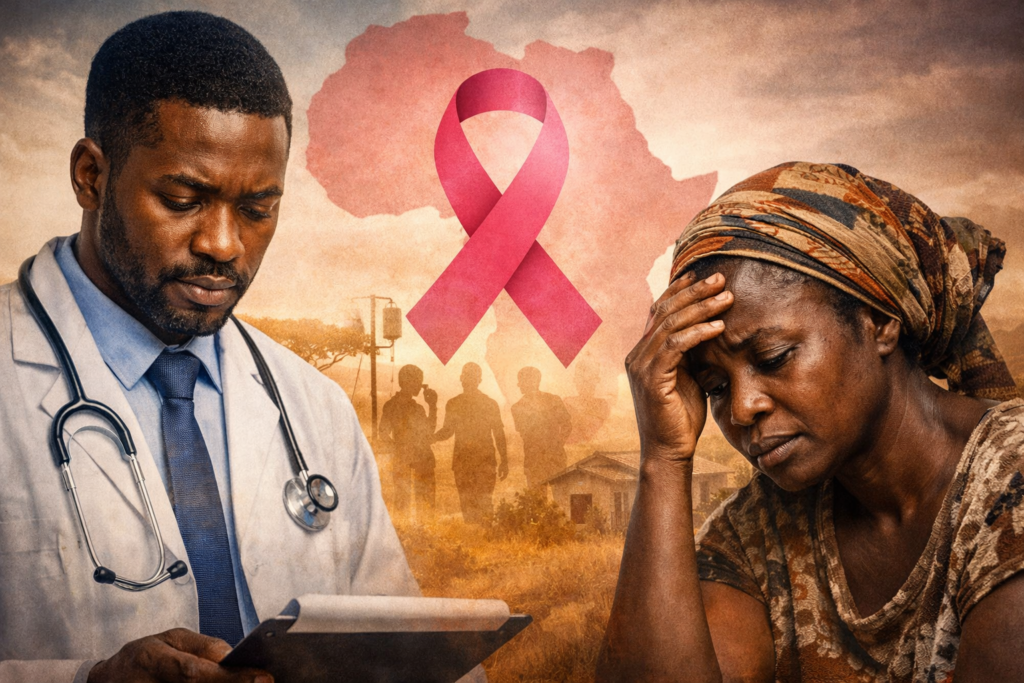
Why Cancer Survival Rates Are Still Low in Africa—and What Must Change

Cancer is no longer rare in Africa.It’s rising fast. Yet survival rates remain painfully low. This is not because cancer is unbeatable.It’s because the system often fails patients before treatment even begins. Late Diagnosis Is the Biggest Problem Most cancer cases in Africa are discovered too late. Why? By the time patients seek help, the cancer is already advanced. At that stage, treatment becomes harder, more expensive, and less effective. Limited Access to Quality Treatment Cancer care is expensive everywhere.In Africa, it’s often out of reach. Many countries face: Some patients travel hundreds of kilometres for treatment.Others simply give up. Access should not decide who lives. Cost Pushes Patients Away For many families, cancer treatment means financial ruin. Most African countries lack strong health insurance coverage. Patients must pay out of pocket for: Many stop treatment halfway.Not because they want to.But because they can’t afford to continue. Low Awareness and Cultural Barriers Cancer education is still poor. In some communities: This delay costs lives. Awareness saves lives.Silence kills What Must Change Improving cancer survival in Africa is possible. But it requires action. 1. Stronger Early Screening Early detection turns cancer into a treatable disease. 2. Better Healthcare Infrastructure Treatment should not depend on location. 3. Affordable Care No one should choose between life and poverty. 4. Education and Public Awareness Knowledge reduces fear.Fear delays treatment. The Bigger Picture Cancer survival rates are not just a medical issue. They reflect: Countries like Rwanda show that strong systems save lives. Africa doesn’t lack solutions.It lacks urgency. A Question Worth Asking If cancer is rising,and solutions already exist,why are so many still dying? Change starts with asking better questions —and demanding better systems.

Why Cancer Survival Rates Are Still Low in Africa—and What Must Change Read More »